
How Do You Use Vigina Wash Safely?
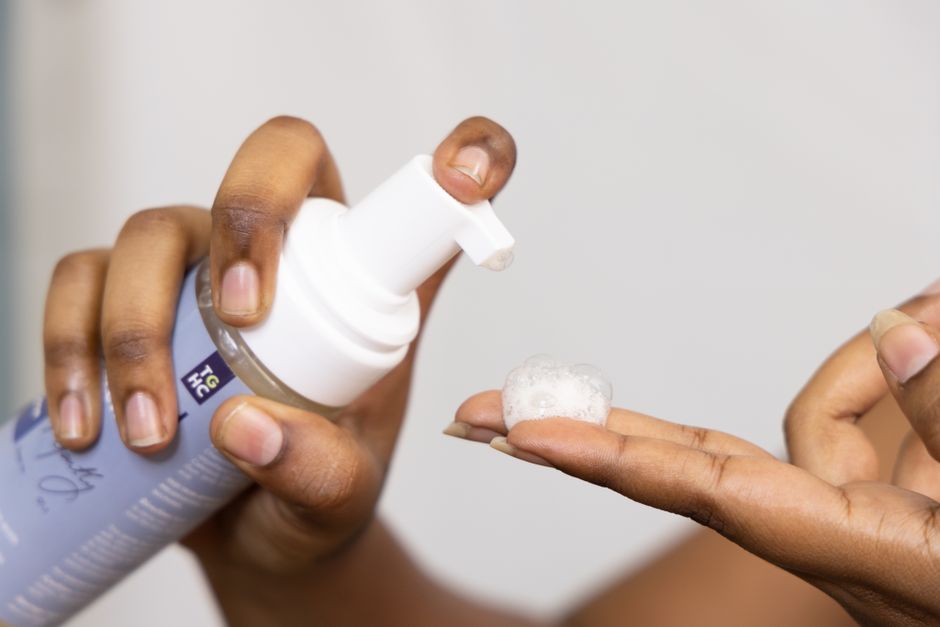
Use “vigina wash” only on the external vulva: rinse gently with cool or lukewarm water, and use a small amount of mild, fragrance-free cleanser only if you prefer and it does not irritate your skin. Never wash inside the vagina. Once a day is usually enough; avoid scented products and seek medical advice for persistent irritation, unusual discharge, or a strong, noticeable odor.
How do I use a feminine wash correctly?
Use feminine wash on the outside only, with a gentle touch; it is a cleanser for external skin, not for the vaginal canal. The vulva includes the external genital skin, while the vagina is the internal canal. That distinction determines where washing belongs.
For a simple routine, follow these steps:
- Use clean hands and cool or lukewarm water to gently rinse the external vulva.
- If you choose to use cleanser, select a mild, fragrance-free product and apply a small amount to external skin only.
- Rinse thoroughly, then pat the area dry gently with a soft towel. Avoid rubbing or scrubbing with a cloth.
- If the inner vulva is irritated, stop using soap there; clear water is adequate.
The American College of Obstetricians and Gynecologists (ACOG) advises washing the external vulva with plain, fragrance-free soap and cool or lukewarm water, and says water is adequate if soap irritates the inner vulva. The British Association of Dermatologists recommends washing gently with hands rather than a flannel or cloth, then patting dry. The practical principle is to use the least intensive routine that leaves the skin comfortable.
Can I put vaginal wash inside my vagina?
No: do not put wash inside your vagina, and do not douche. The vagina naturally produces discharge containing beneficial microorganisms and removes dead cells, helping maintain its own cleanliness and health, according to ACOG. Washing internally is unnecessary and can disturb protective bacteria.
The NHS likewise advises against washing inside the vagina and cautions against perfumed soaps or gels, deodorants, and scented hygiene wipes. A rinse of the external skin is not the same thing as an internal wash: keep cleanser and water on the outside rather than directing them into the canal.
That distinction also matters when odor is the concern. A certain amount of vaginal odor is normal. ACOG warns that douching and sprays may make a problem worse, not conceal its cause. As ACOG puts it, “If you feel that you need to cover up the odor, you may have a medical condition that needs treatment.”
What is the best wash for female private parts?
There is no need to find a special feminine wash: warm or cool water alone is enough for many people. If you prefer a cleanser, choose a mild, fragrance-free option for external use, and stop if it causes irritation.
Guidance differs slightly in emphasis, not in the central rule. ACOG refers to plain, fragrance-free soap for external washing, while the British Association of Dermatologists suggests an unscented emollient as a soap substitute and recommends avoiding products with long ingredient lists. Cleveland Clinic says mild, unscented soap and warm water—or warm water alone—can lower irritation risk. These options are not a reason to scrub more: choose based on what your skin tolerates.
| Situation | Practical choice | What to avoid |
|---|---|---|
| Skin feels comfortable | Water alone, or mild fragrance-free cleanser externally if preferred | Internal washing and scrubbing |
| Inner vulva is irritated | Clear water on that area | Soap on irritated skin |
| Skin is sensitive or dry | Consider water alone or an unscented emollient soap substitute | Perfumes, deodorants, wipes, and lengthy ingredient lists |
| A product stings or burns | Stop using it and rinse externally with water | Continuing the product or washing more often |
When checking a label, look for “fragrance-free” or “unscented,” and avoid products marketed with perfume or deodorizing claims. Fragrance is not the only possible irritant: the dermatologists also identify shower gels, antiseptics, bubble baths, fragranced laundry products, and fabric conditioners as potential triggers. A shorter, simpler routine can make it easier to identify what is irritating the skin.
How often should I wash my private area?
Once a day is usually enough to wash the external vulva; washing more often can aggravate dryness and irritation. The British Association of Dermatologists gives that frequency as general guidance. Washing frequency does not need to increase to manage normal vaginal discharge, because the vagina clears itself naturally.
Keep the routine gentle: use your hands, rinse the outside, and pat dry. Avoid adding wipes, sprays, deodorants, perfumes, or talcum powder to the routine. ACOG advises against these products, and the NHS also advises avoiding scented hygiene products around the vagina.
Symptoms call for assessment, not extra washing. The NHS recommends medical advice if discharge changes in smell, colour, or texture, or if itching, soreness, bleeding between periods or after sex, or pelvic pain occurs. A strong fishy odor with increased discharge can be a sign of bacterial vaginosis (BV), a change in the natural balance of vaginal bacteria; the NHS says a GP or sexual health clinic can confirm BV and rule out other causes. About half of women with BV have no symptoms, so symptoms alone do not establish a diagnosis.
If a cleanser triggers itching, burning, redness, swelling, cracks, blisters, or irregular discharge, stop the product. Cleveland Clinic notes that irritation, infection, allergies, and injury can produce overlapping symptoms, so persistent or concerning changes need a healthcare provider to determine the cause and whether treatment is needed. More washing cannot reliably distinguish or treat those causes.
Frequently Asked Questions
Can feminine wash get rid of vaginal smell?
A certain amount of vaginal odor is normal, and a wash does not treat the underlying cause of a strong or persistent odor. Fragranced washes and douches can make irritation worse and are discouraged. A strong fishy odor, especially with increased or changed discharge, warrants medical advice.
What ingredients should I avoid in a feminine wash?
Avoid fragranced or perfumed products, including products marketed with deodorizing effects. Dyes and long ingredient lists are also reasonable reasons to choose a simpler product when the vulvar skin is sensitive, though the cited guidance focuses chiefly on fragrance and other irritating products. If you are unsure, water alone is an option.
What should I do if a wash causes itching or burning?
Stop using the product and gently rinse the external area with water. If itching or burning persists, or you notice redness, swelling, cracks, blisters, or unusual discharge, contact a healthcare provider because several conditions can cause similar symptoms. Do not try to solve persistent symptoms by washing more.
Sources
Keep reading

Should I Book a Vacation Online or Use a Travel Agent?
Compare direct bookings, online packages, and travel agents by total price, protections, and who helps when travel plans change.

How Do I Fade Dark Spots Left Behind by Acne Without Making Them Worse?
A gentle, evidence-based routine for fading post-acne dark marks without triggering more irritation or hyperpigmentation.

Why Do My Curls Fall Out So Quickly in Humid Weather?
A research-based guide to curls that drop quickly, with practical guidance on humidity, cooling, heat, dry hair, and product buildup.

What Is the Best Spot Treatment for an Active Pimple?
Choose a spot treatment by lesion type, use it without excess irritation, and know when a deep pimple needs dermatologist care.