
Does the Viral Gelatin Trick Help You Feel Full?
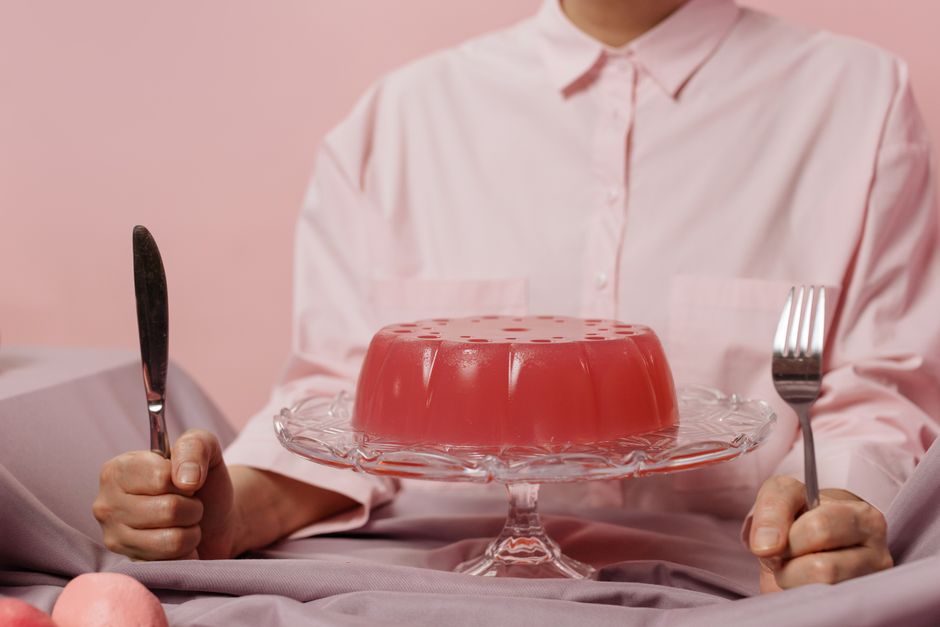
The viral gelatin trick is a drink or soft gel made by blooming unflavored gelatin in cold liquid, then dissolving it in a warm base. Research indicates gelatin can increase subjective fullness in some controlled settings, but a small pre-meal drink has not been shown to burn fat, raise metabolism, or cause weight loss. It is a recipe, not a replacement for complete protein foods or meals.
What is the gelatin trick people are sharing online?
The gelatin trick is usually a pre-meal preparation: powdered unflavored gelatin is hydrated in cold water, then warmed until dissolved and consumed as a drink or allowed to set. Variations change the flavor or texture, but the underlying method is the same. The internet version often makes a larger claim than the recipe can support: that gelatin has a special fat-burning or metabolism-raising effect.
The ingredient distinction matters. The U.S. Department of Agriculture specification defines Type III plain edible gelatin as containing only gelatin. Flavored gelatin dessert powder, by contrast, can include sweetener, acidulant, salt, buffers, and natural or artificial colors and flavors; sugar-free versions use a sugar substitute. A packet labeled as a dessert mix is therefore not interchangeable with plain gelatin merely because both can set into a gel.
The stronger version of the claim fails a basic test. In a controlled American Journal of Clinical Nutrition randomized crossover study, gelatin suppressed hunger more than casein when protein supplied 10% of energy. Yet energy expenditure did not differ between the gelatin and casein diets. The study also examined complete controlled diets during 36-hour respiration-chamber stays, not a viral drink consumed before lunch. Hunger is not metabolism, and appetite suppression is not proof of fat loss.
That distinction produces a useful rule: treat gelatin as a food-format choice, not as a mechanism that overrides the rest of your eating pattern.
Does drinking gelatin before a meal actually make you feel full?
Drinking gelatin before a meal may make some people feel fuller, but the evidence does not show that a gelatin drink reliably makes people eat less at the next meal.
The key experiment is unusually direct. In an International Journal of Obesity randomized crossover trial, 14 healthy normal-weight young men received 6 grams of gelatin in either solid or liquid form, alongside water and sweetened-water controls. Solid gelatin generated greater subjective satiety than liquid gelatin. But neither gelatin form changed food intake one hour later compared with the controls. In the same trial, solid and liquid whey-protein treatments did suppress food intake compared with control.
This is the puzzle behind the trend: a sensation of fullness and a reduction in later intake are related, but they are not identical outcomes. The trial found that macronutrient composition mattered more than whether the protein arrived as a solid or liquid. A gelatin drink can therefore be pleasant, structured, and temporarily filling without earning the much larger label of weight-loss tool.
| Question | What the provided research supports |
|---|---|
| Can gelatin affect hunger? | Yes. In a controlled diet study, gelatin suppressed hunger more than casein at one protein level. |
| Does a 6-gram gelatin serving reduce intake one hour later? | No difference from control was found for either solid or liquid gelatin. |
| Does gelatin raise energy expenditure? | No difference from casein was found in the controlled diet study. |
| Is gelatin a complete protein? | No. It lacks a balanced supply of essential amino acids. |
The longer-term result is equally blunt. A Physiology & Behavior study followed 65 healthy adults through an eight-week weight-loss phase and a four-month weight-maintenance period. BMI changes during maintenance were similar among gelatin-milk protein, sustained milk protein, and higher-milk-protein diets. The researchers concluded that the gelatin-milk-protein diet did not improve weight maintenance compared with the milk-protein alternatives.
Gelatin also carries a nutritional limitation that matters if the trick begins displacing real food. The same study identifies gelatin as an incomplete protein, deficient in essential amino acids including tryptophan and imbalanced in methionine. Harvard explains that nine essential amino acids must come from food and that food quality cannot be reduced to protein grams alone; fiber, fats, sodium, and other nutrients remain part of the calculation.
A more useful snack comparison is not gelatin versus nothing. It is gelatin versus a food that contributes complete protein and other nutrients. Harvard Health Publishing recommends high-quality protein sources such as dairy, soy, legumes, nuts, whole grains, fish, and lean meats, and notes that a three-quarter-cup serving of Greek yogurt provides 17 grams of protein. Gelatin can remain an optional dessert-like food; it should not become a nutritional alibi for skipping a balanced snack or meal.
How do I make the gelatin trick without lumps?
The dependable method is to bloom powdered gelatin in cold liquid first, then dissolve the hydrated mixture thoroughly into a warm base.
According to KitchenAid's gelatin-blooming guidance, one envelope of powdered gelatin uses about one-quarter cup of cold water. Sprinkle the powder across the surface rather than dropping it in one pile, gently stir it, and let it stand for 5 to 10 minutes. The granules should absorb liquid and take on a gelatinous appearance before they meet warmth.
- Measure the cold liquid for blooming.
- Sprinkle the powdered gelatin evenly over its surface.
- Gently stir, then wait 5 to 10 minutes for the granules to hydrate.
- Add the bloomed gelatin to a warm base and mix thoroughly until dissolved.
The sequence is not ceremonial. Cold liquid and even scattering prevent dry granules from forming a sealed exterior that leaves powder trapped inside. Adding powder directly to a hot liquid, or dumping it into one spot, makes clumps much more likely. If a recipe uses flavored dessert powder, read the ingredient label rather than assuming it has the same sugar or sweetener profile as plain gelatin.
Dietary fit deserves the same attention as texture. KitchenAid notes that gelatin generally comes from cows or pigs and is not vegan; it identifies agar as a seaweed-based vegan alternative. That identifies an alternative gelling ingredient, not evidence that agar has the same appetite effects as gelatin. Public data in the supplied sources does not establish that equivalence.
The practical conclusion is modest and sufficient: make the gelatin drink correctly if you enjoy it, judge it by taste and whether it fits your usual eating pattern, and reject claims that it can replace complete protein or create weight loss by itself. For a broader example of choosing based on the whole package rather than a single appealing feature, the same principle applies when comparing options in How Should Travelers 70 and Over Choose a Cruise?: the useful decision comes from the full set of trade-offs, not one promotional promise.
Frequently Asked Questions
Is unflavored gelatin different from flavored Jell-O for this recipe?
Yes. USDA specifications describe plain edible gelatin as containing only gelatin, while flavored gelatin dessert powders also include sweeteners, acidulants, salt, buffers, and colors or flavors. Sugar-free flavored versions use a sugar substitute, so they are a different product with a different ingredient profile.
Can gelatin help with weight loss without replacing meals?
No study in the provided evidence establishes that a small gelatin drink causes weight loss without meal replacement. Gelatin may change how full you feel, but a trial using 6 grams found no reduction in food intake one hour later, and a longer study found no weight-maintenance advantage over milk-protein diets.
Who should avoid the gelatin trick or ask a clinician first?
People who avoid animal-derived ingredients should not assume gelatin fits their diet: it generally comes from cows or pigs and is not vegan. Anyone considering it as a meal or protein replacement should ask a clinician or qualified nutrition professional first, because gelatin is an incomplete protein deficient in essential amino acids.
Sources
- PubMed: American Journal of Clinical Nutrition randomized crossover study
- PubMed: Physiology & Behavior long-term gelatin study
- PubMed: International Journal of Obesity randomized crossover trial
- U.S. Department of Agriculture Agricultural Marketing Service
- KitchenAid: How to Bloom Gelatin Powder and Sheets
- Harvard Health Publishing: High-protein snacks to build muscle and keep hunger at bay